Understanding Screw Implants: Enhancing Stability In Dental Implants
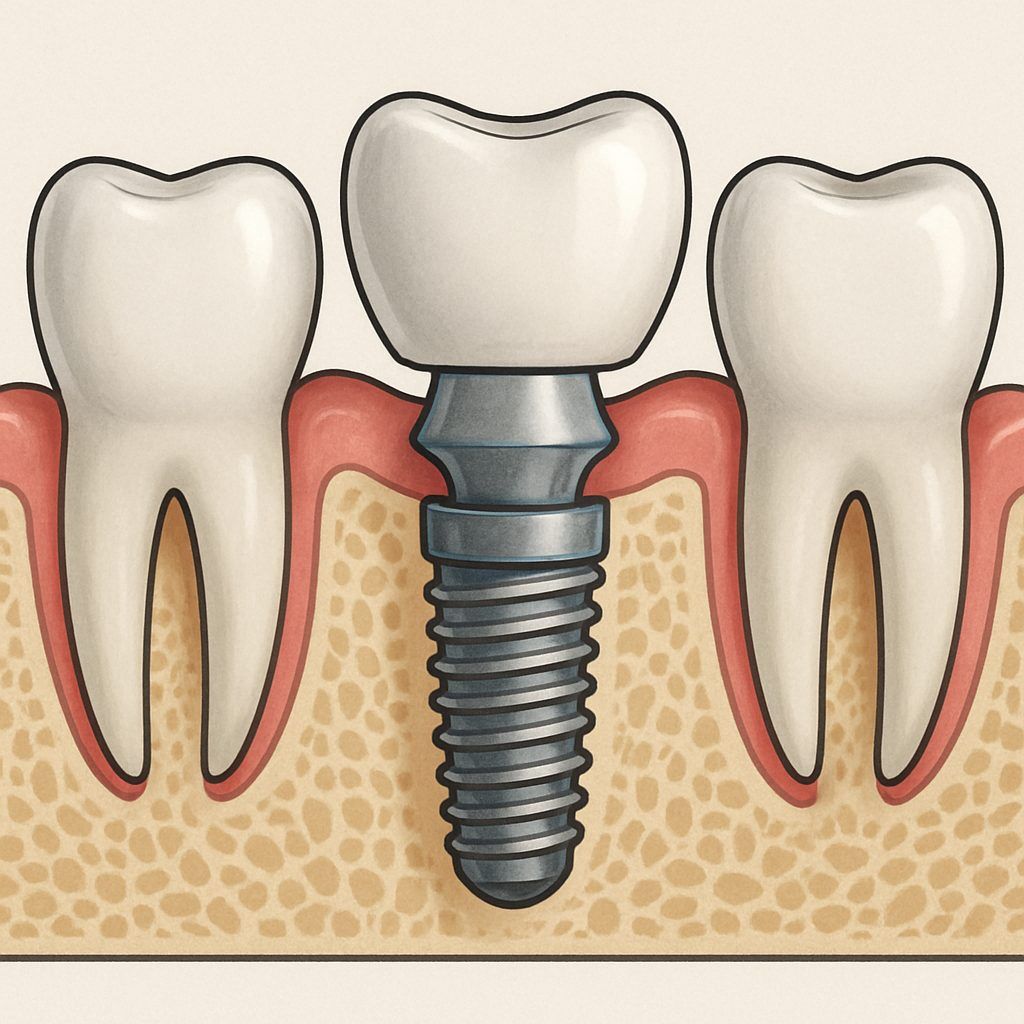
Choosing the right design can make a big difference when getting a dental implant in Irvine, CA. This article explains how a screw implant works, why its design improves stability, who is a good candidate, what to expect during the procedure, and how to reduce risks. Read on for clear steps you can take toward a stable, long-lasting dental implant in Irvine, CA.
What Is A Screw Implant?
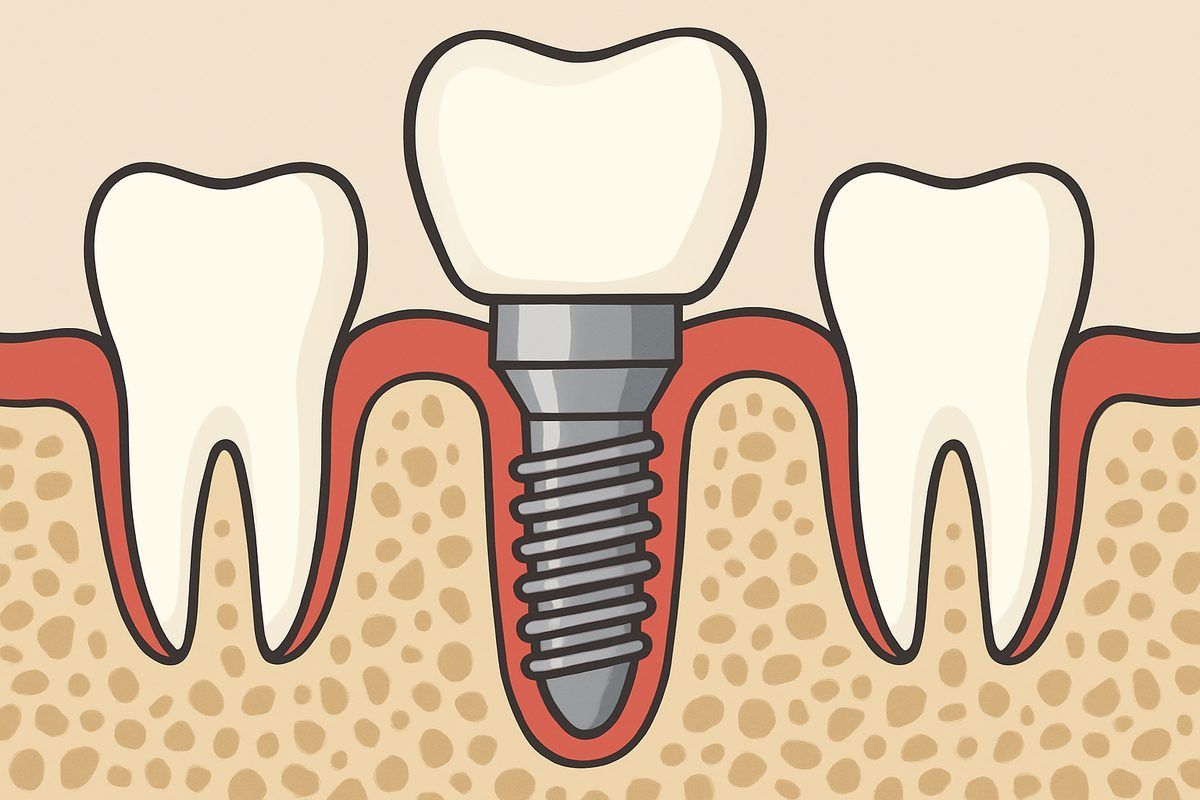
A screw implant is a dental implant shaped like a threaded screw that is placed into the jawbone. Unlike smooth or press-fit designs, a screw implant uses threads to bite into bone for immediate mechanical hold. The threaded design, material choice, and surface finish all affect how well the implant integrates. For a dental implant in Irvine, CA, choosing a screw implant often means better initial stability and a predictable foundation for your crown or denture.
How Screw Implants Improve Stability For A Dental Implant In Irvine, CA
Thread Design And Primary Stability
Thread shape, depth, and pitch help the implant grip bone. Deeper, sharper threads increase contact with bone and reduce micromovement during the early healing phase. Less micromovement lowers the chance of failed integration, so a well-designed screw implant gives stronger primary stability for a dental implant in Irvine, CA.
Material And Surface Treatments
Most screw implants use titanium or zirconia. Titanium is very strong and biocompatible; zirconia is ceramic and may be chosen for aesthetic needs. Surface treatments—like roughening, acid-etching, or special coatings—encourage bone cells to grow onto the implant (osseointegration). These surface technologies speed healing and improve long-term hold.
Implant–Abutment Connection
The way the implant connects to the abutment affects screw stability. Internal hex and conical (morse taper) connections reduce micro-movement and distribute forces more evenly. A tight, stable connection lowers the risk of screw loosening and improves the durability of your dental implant in Irvine, CA.
Who Is A Good Candidate For A Screw Implant (Dental Implant In Irvine, CA)?
Good candidates have enough bone volume and good bone quality, reasonable overall health, and realistic expectations about healing time. Age alone is not a barrier, but conditions that affect bone or healing need attention before implant placement.
Medical And Lifestyle Factors
Smoking reduces blood flow and slows healing — quitting improves outcomes.
Poorly controlled diabetes raises infection risk; control blood sugar first.
Medications such as some bisphosphonates or long-term steroids can affect bone healing; your dentist and physician should review them.
When Additional Procedures Are Needed
If bone volume is low, a bone graft or sinus lift may be required before placing a screw implant. Sometimes extractions and a healing period are needed first. Your dentist will use 3D imaging to plan and tell you if these steps are necessary for a successful dental implant in Irvine, CA.
The Screw Implant Procedure: What To Expect For A Dental Implant In Irvine, CA
The process usually follows clear steps so you know what to expect:
Consultation and CBCT planning to map the jaw and place the implant precisely.
Surgical placement of the screw implant into bone.
Healing period for osseointegration (bone bonding to the implant).
Attachment of the abutment and final crown or denture once integration is stable.
Recovery Timeline And Aftercare
Most patients have mild to moderate discomfort for 48–72 hours that responds to over-the-counter or prescribed pain medicine. Initial healing takes a few weeks, but full osseointegration can take 3–6 months depending on bone quality and the site. Follow-up visits check healing and let your dentist place the final restoration when ready. Soft foods, good oral hygiene, and avoiding heavy chewing on the implant help recovery.
Risks, Complications, And How To Avoid Them With A Screw Implant In Irvine, CA
Common issues include peri-implantitis (gum infection around the implant), screw loosening, and rare nerve or sinus problems. Many complications are preventable with careful planning, accurate placement using CBCT, and consistent home care.
When To Call Your Dentist
Contact your dentist right away if you have increasing pain, swelling, fever, drainage or pus, or if the implant feels loose or moves. Early treatment can prevent more serious problems.
Why Choose Guru Dentistry For Your Dental Implant In Irvine, CA
Guru Dentistry in Irvine, CA offers advanced implant care with CBCT 3D imaging for precise planning and options like BLAST technology that support better healing. Dr. Vanila Godara and Dr. Jerome Peterson bring extensive implant and surgical experience, and the practice provides sedation options for nervous patients. The team focuses on clear communication, comfort, and predictable results for your dental implant in Irvine, CA.
Practical Next Steps
Ready to learn if a screw implant is right for you? Schedule a consult for a dental implant in Irvine, CA to review your CBCT scan and get a personalized plan. Guru Dentistry offers financing through Wells Fargo, CareCredit, Lending Club, and Scratch Pay to help make treatment manageable.