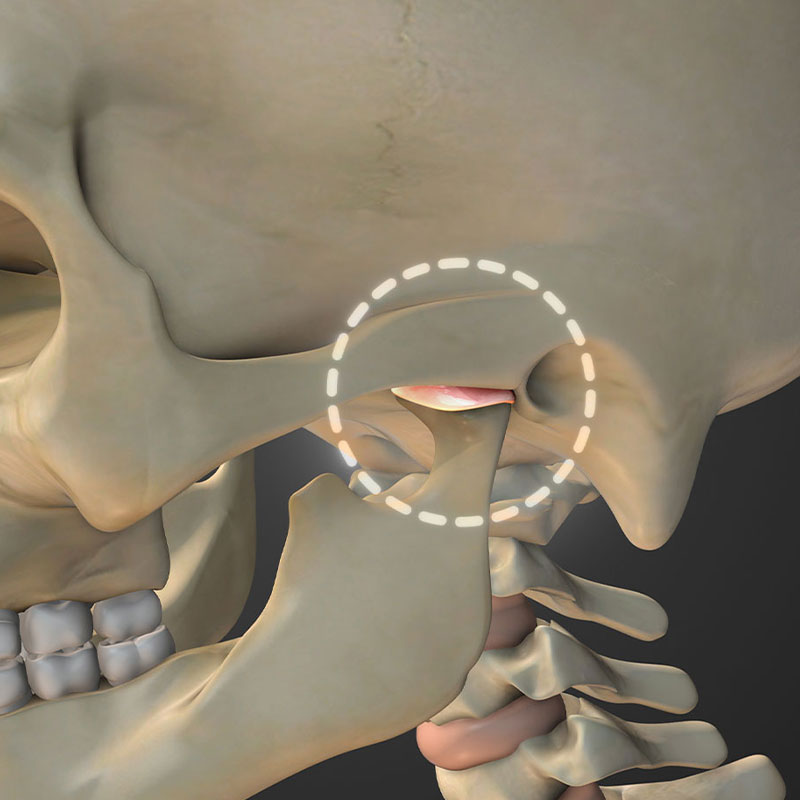
Your temporomandibular joints are the two hinges in front of your ears that connect your lower jaw to your skull. They let you chew, speak, yawn, and smile, all day, every day. When something disrupts how these joints and the muscles around them work, the result is a group of conditions known as TMD, or temporomandibular joint dysfunction. The discomfort can range from an occasional click to chronic pain that affects your jaw, head, and neck.
At Guru Dentistry in Irvine, CA, Dr. Vanila Godara takes TMD seriously because patients living with it often suffer quietly while it disrupts their sleep, focus, and quality of life. With a personalized evaluation and the right treatment approach, lasting relief is possible, and you will be cared for by one team that follows your progress from start to finish.
TMD rarely comes from a single source. It usually develops from a combination of strain, stress, and structural factors, including:
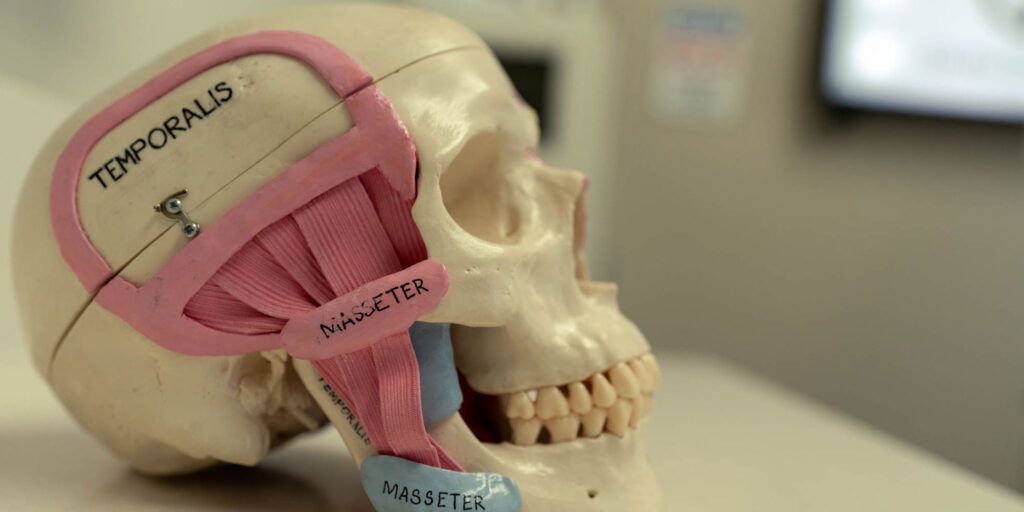
BOTOX is an effective option for TMD driven by overactive, overworked jaw muscles. By relaxing the muscles responsible for clenching and grinding, targeted BOTOX injections can ease tension, reduce jaw pain, and relieve the headaches that often come with chronic clenching. Treatment is quick, minimally invasive, and can be repeated as needed to maintain relief.
When a misaligned bite is contributing to your TMD, correcting how your teeth fit together can reduce strain on the joint over time. Invisalign clear aligners gently and gradually move your teeth into better alignment, improving jaw function while also straightening your smile. It is a discreet, comfortable way to address an underlying cause rather than just the symptoms.
A TMJ orthotic is a custom-made oral appliance designed to reposition your jaw into a more relaxed, balanced position. By guiding the jaw away from the strained posture that triggers pain, an orthotic relieves pressure on the joint and muscles, eases clenching and grinding, and protects your teeth from further wear. Each orthotic is crafted specifically for your anatomy for the best comfort and results.
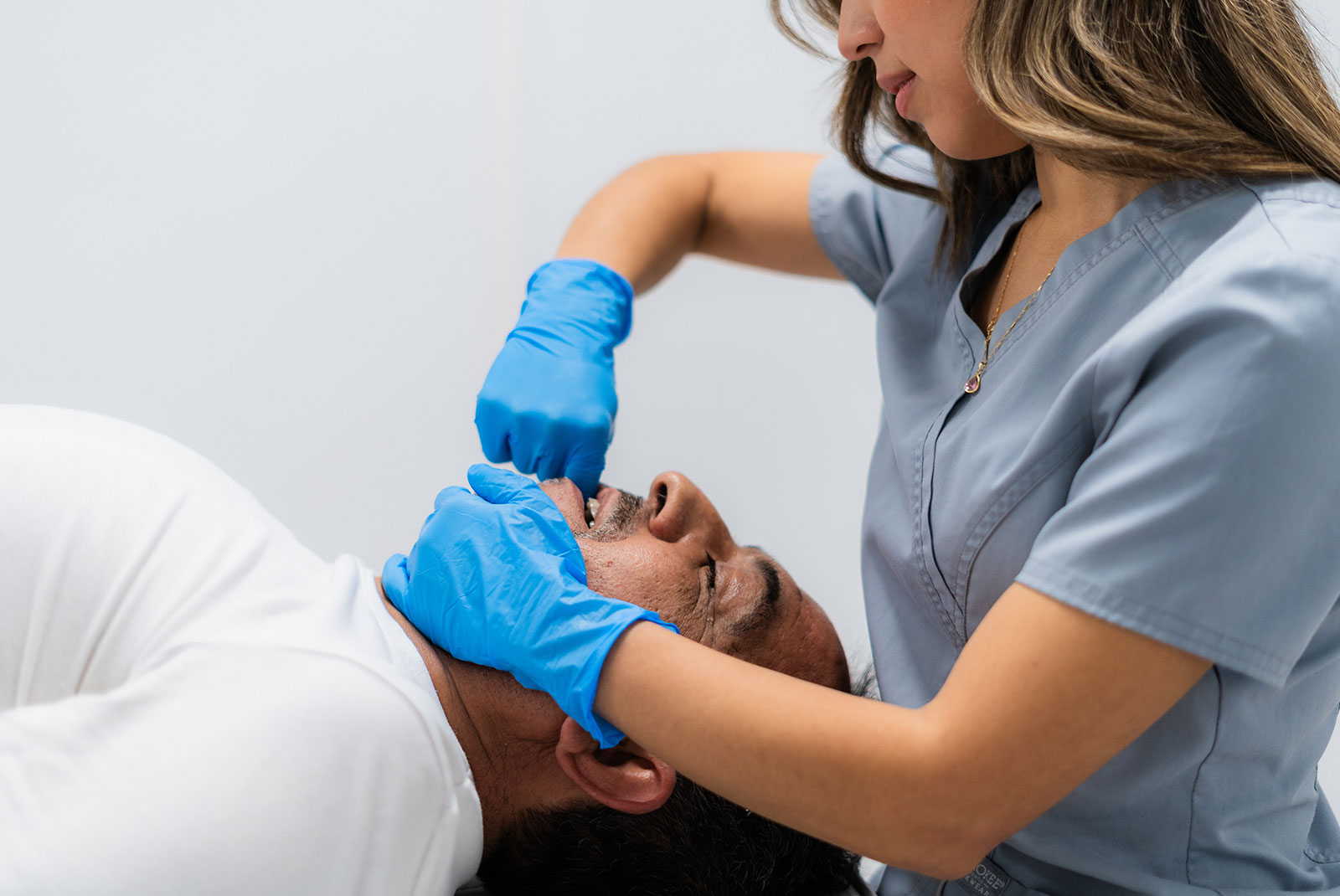
If you have struggled with jaw symptoms for several weeks, it may be time for a professional evaluation. At home, you can try the three-finger test: gently attempt to stack three fingers vertically between your upper and lower front teeth.
If you cannot open that wide, or doing so causes pain or tightness, it may point to limited jaw mobility often linked to TMD. Either way, a thorough exam is the most reliable way to understand what is happening.
Left untreated, TMD can progress from an occasional annoyance to chronic, severe pain. Persistent joint strain and nighttime grinding can lead to frequent migraines, worsening jaw dysfunction, and disrupted sleep that affects your entire day.
Addressing the problem early protects your comfort, your teeth, and your quality of life. Our goal is to find the underlying cause and treat it, not simply mask the symptoms.
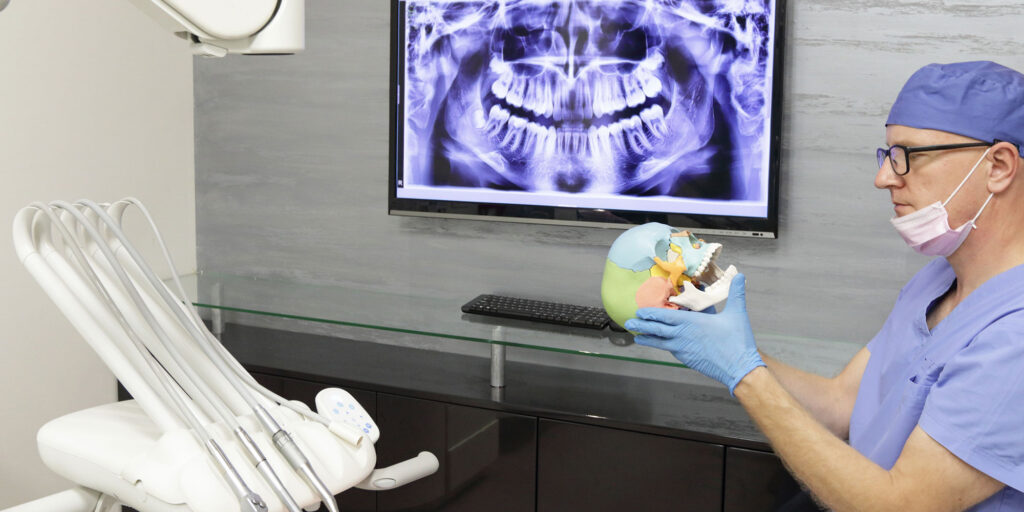
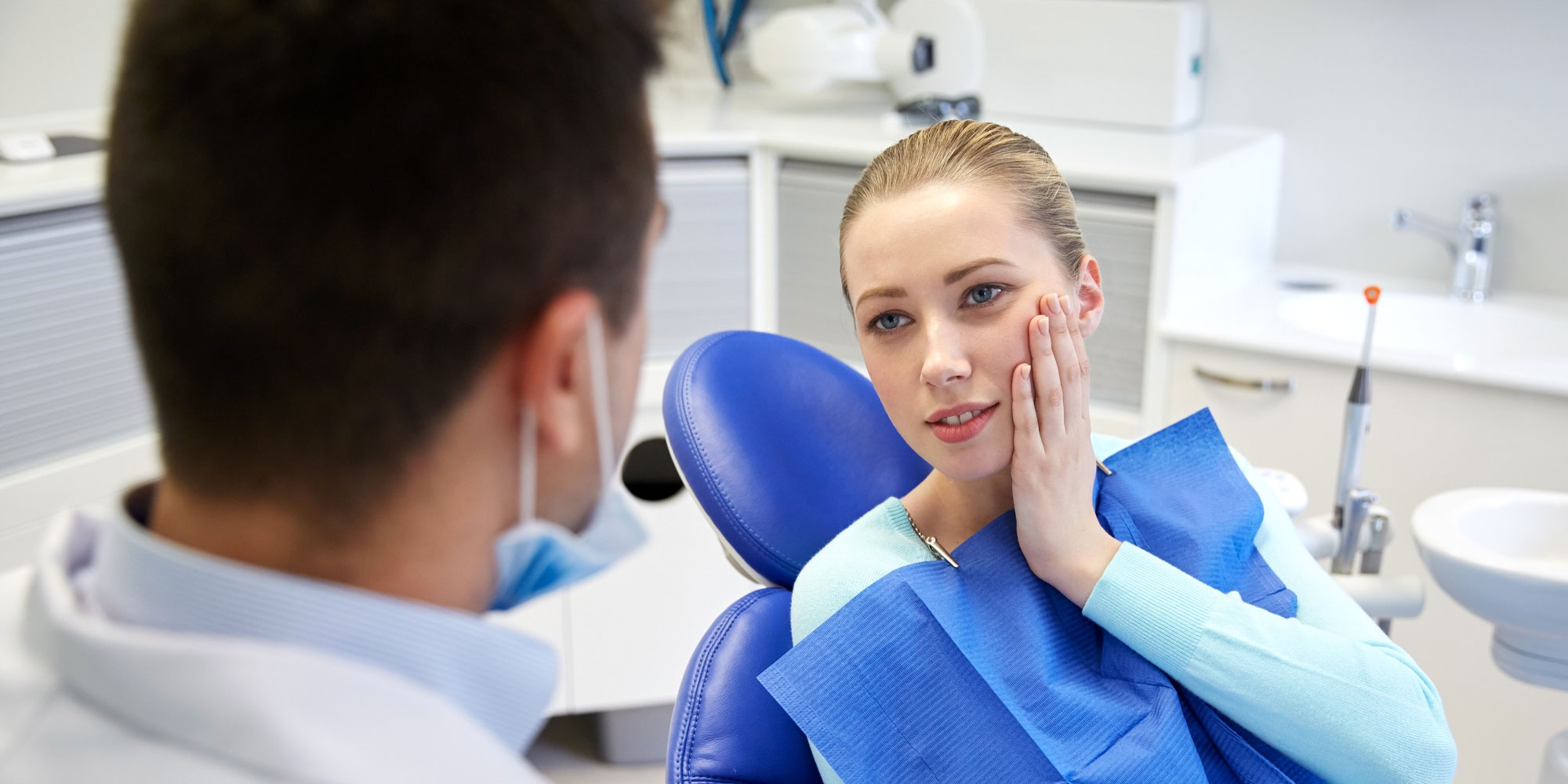
Common signs include jaw pain, clicking or popping, frequent headaches, and difficulty opening your mouth. The most reliable way to know is a professional evaluation, where we assess your jaw, bite, and symptoms together.
For many patients, yes. BOTOX relaxes overactive jaw muscles that drive clenching and grinding, which can significantly reduce pain and tension-related headaches. We will determine whether you are a good candidate during your evaluation.
It varies by patient and approach. Some patients feel relief from BOTOX within days, while bite correction with Invisalign or an orthotic works more gradually. We will set realistic expectations based on your specific situation.
Coverage depends on your plan and the cause of your condition. We accept all PPO plans, and workers’ compensation may cover treatment in qualifying cases. Our team will help you understand your options.
Mild symptoms sometimes ease with self-care, but persistent or worsening symptoms usually need professional treatment. Ignoring chronic TMD can allow it to progress, so it is best to have it evaluated.