Dental Fixation of Teeth: Options Beyond Traditional Dental Implants
When people talk about fixing broken teeth in Irvine, CA, they mean restoring comfort, function, and appearance after a tooth chips, cracks, or goes missing. Many patients ask for alternatives to traditional dental implants because of cost, health limits, or a desire to avoid surgery. This guide explains practical options for fixing broken teeth, who each option suits, what to expect during treatment, and how to take next steps.
Why do I need to fix cracked or broken teeth
“Fixing cracked or broken teeth” covers treatments that stabilize loose teeth, restore chewing, improve looks, or replace missing teeth without implants. Goals are simple: stop pain, prevent further damage or infection, keep nearby teeth healthy, and restore normal bite and speech. Early care often avoids more complex surgery later.
Non-implant options for dental fixation of teeth
Dental bridges
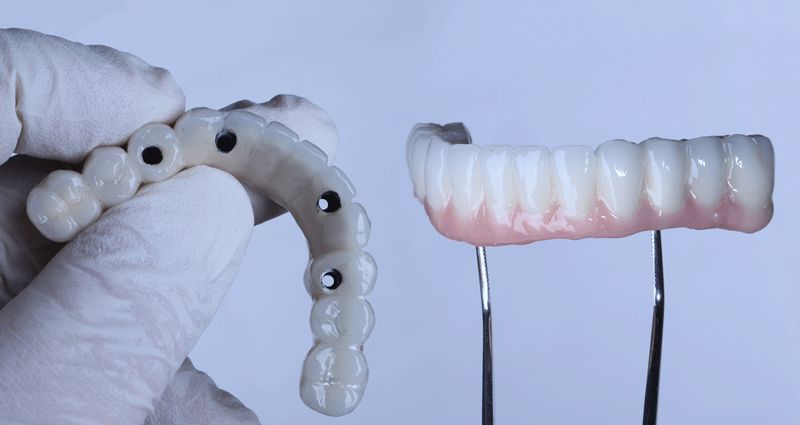
Fixed bridges replace one or more missing teeth by anchoring a false tooth (pontic) to crowns on neighboring teeth. They feel stable and look natural.
- Pros: stable, good aesthetics, faster than implants.
- Cons: adjacent teeth need crowns, possible wear to healthy teeth, lifespan shorter than implants.
Best for patients with healthy supporting teeth who want a fixed solution without implants.
Removable partial dentures
Partials are removable plates that hold replacement teeth and clasp to remaining teeth. They are often the most affordable non-implant option.
- Pros: lower cost, easy to adjust, replaces many teeth at once.
- Cons: less stable than fixed options, requires daily removal and cleaning, may need periodic relines.
Good for patients on a budget or those who need a temporary or flexible solution.
Adhesive (Maryland) bridges and resin-bonded restorations
These are minimally invasive bridges that bond a false tooth to the back of neighboring teeth with metal or ceramic wings or direct resin bonding. They conserve tooth structure.
Best when adjacent teeth are healthy and the missing tooth isn’t under heavy biting forces. They’re a conservative choice for front teeth or short-term fixes.
Periodontal splinting and bonding for mobile teeth
For loose teeth caused by gum disease or trauma, dentists can stabilize teeth with a chairside splint. Composite bonding connects teeth together to share forces and protect them while gum treatment works.
Splinting is often used to buy time, preserve natural teeth, and improve comfort while periodontal health is treated.
Orthodontic fixation and stabilization
Braces or clear aligners can reposition teeth and close gaps, which sometimes stabilizes weak or tipped teeth. Orthodontics can be part of a fixation plan when bite alignment or tooth position contributes to breakage.
When implants are still the best choice
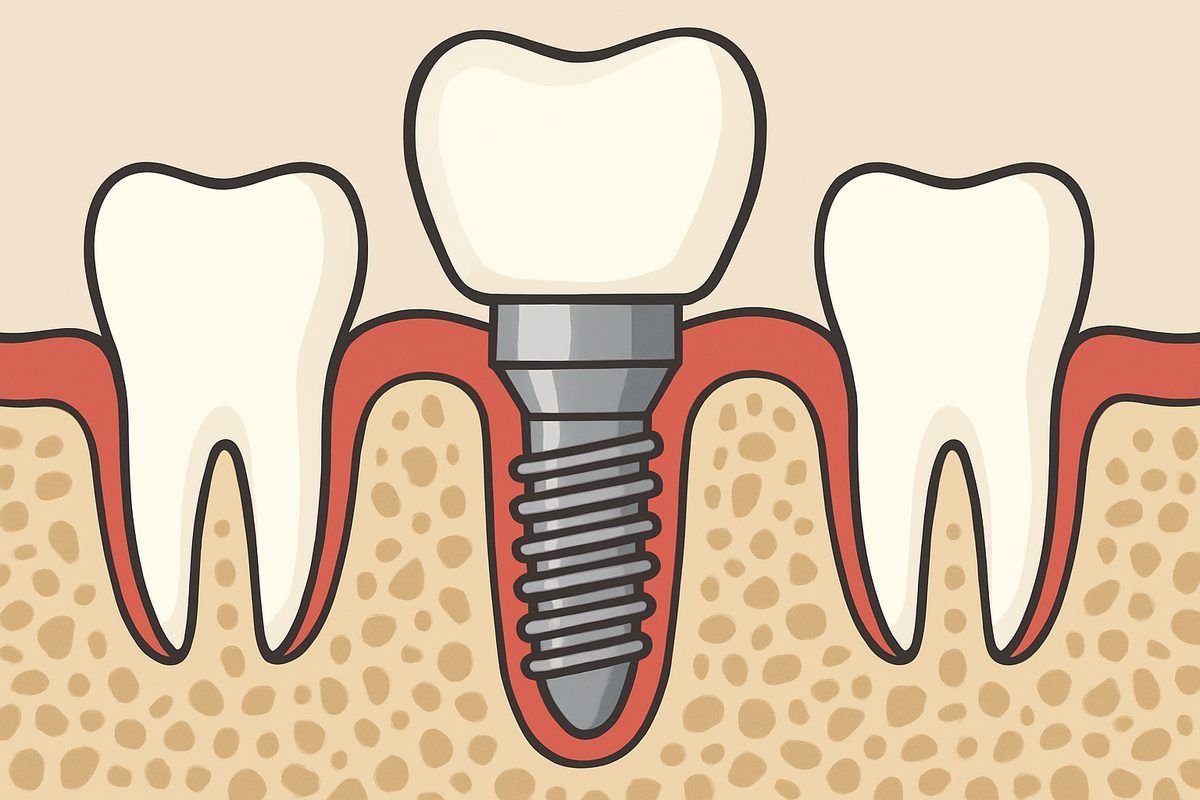
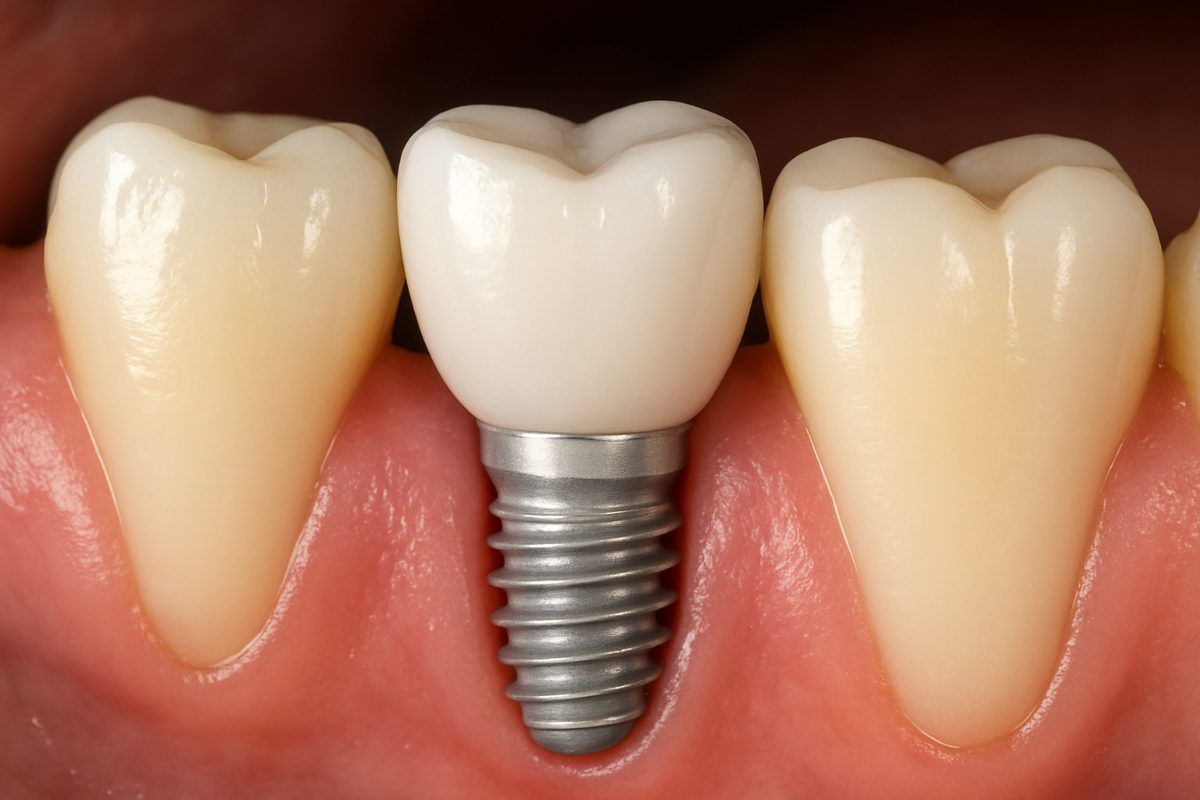
Dental implants remain the top choice for long-term tooth replacement when possible. Benefits include bone preservation, strong chewing function, and excellent longevity. Implants outperform other methods when you need single-tooth replacement with no impact on adjacent teeth or when durability and natural feel are priorities.
Factors that determine the best dental fixation of teeth
Choosing the right option depends on:
- Oral health and gum disease status
- Bone quality and quantity
- Number and location of missing or broken teeth
- Budget and insurance coverage
- Timeline—immediate vs. long-term solution
- Aesthetic goals and overall health or medical conditions
Your dentist will weigh these factors to recommend the least invasive, most effective plan for your goals.
What to expect during treatment and aftercare
Treatments vary by option but commonly include an exam, x-rays or CBCT imaging, and a treatment plan.
- Bridges: tooth preparation, impressions or digital scans, temporary crown, then final placement. Care: regular brushing, flossing under the pontic, and routine checkups.
- Partials: impressions and try-ins, adjustments for fit. Care: daily removal and cleaning, soak as recommended.
- Bonded bridges/splints: usually done in one or two visits. Care: avoid hard bites on bonded areas and maintain oral hygiene.
- Orthodontic fixation: longer timeline with regular adjustments and retainers after treatment.
Follow-up care includes routine dental cleanings, monitoring for wear or loosening, and treating any gum disease to protect the repair.
Why choose Guru Dentistry for dental fixation of teeth
Guru Dentistry in Irvine, CA offers full-service care with advanced tools like CBCT 3D imaging, same-day crowns, and sedation options to make treatment comfortable. Dr. Vanila Godara and Dr. Jerome Peterson combine implant, surgical, orthodontic, and restorative expertise to tailor fixation plans. The office has a multilingual team (Spanish, Hindi, Punjabi) and uses modern technologies to plan and deliver predictable results.
Next steps and short call to action
If you’re considering options for fixing broken teeth in Irvine, CA, schedule a consultation at Guru Dentistry to review your exam and imaging, get a personalized plan, and discuss financing. We accept Wells Fargo, CareCredit, LendingClub, and Scratch Pay. Bring recent dental records or x-rays if you have them. Call or book online to start restoring your smile.